Source Sports Yoga Bra Options for Gym, Running, and Yoga
Explore 30 listings for sports yoga bra products designed for fitness and athletic activities. Compare features like moisture-wicking, quick-drying, and breathable materials from various suppliers to find the right fit for your needs.
Key considerations
Products List


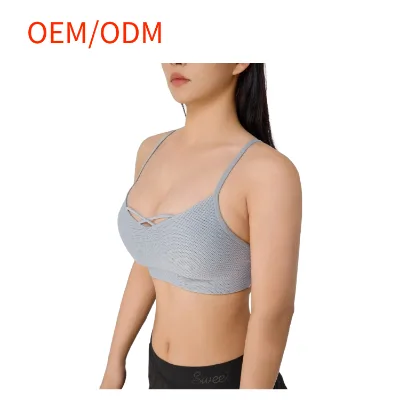


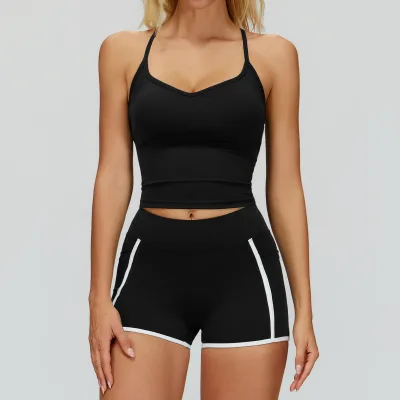


Comprehensive Sourcing Guide
Sports Yoga Bra Sourcing Guide
Sourcing a sports yoga bra for private-label or wholesale programs requires balancing fabric performance, fit engineering, and commercial terms that support repeat orders. The products observed in this category are women's fitness and yoga wear items made primarily from nylon, spandex, or cotton/spandex blends, with features such as quick-drying, moisture-wicking, breathability, body shaping, and anti-static performance. Many listings offer customization, including custom logo printing and acceptance of custom-designed samples, which makes this category well suited to branded activewear lines.
Before committing to a supplier, buyers should treat each listing as a set of observations rather than guarantees. Confirm that the specific model you intend to order — not just the category page — supports the features, materials, and customization options you need. This guide walks through the key decisions at each stage of procurement, from defining product scope to structuring long-term quality controls.
Product Scope and Observed Listing Signals
The listings in this category sit within the broader fitness and yoga wear segment, targeting adult women for occasions such as yoga, running, tennis, gym training, and general workouts. Observed attributes include solid or pure-color patterns, wire-free support with full-cup construction, bra-cup built-in padding, basic strap types, and both knitted and handmade technics. Packing formats vary across listings — some specify one set per OPP bag, others two pieces per polybag, and one describes one piece per polybag with forty pieces per carton — so packaging should be confirmed against your retail or e-commerce requirements before order placement.
Price observations in the visible listings range from roughly $1.40 to $18 per unit, with minimum order quantities spanning from single-piece sampling to 2,000 units. This wide spread reflects differences in material composition, construction complexity, and order volume, and it signals that buyers should compare quotes on an apples-to-apples basis: same fabric content, same cup construction, same decoration method. Listings also indicate origin in China, with one specifying Hefei, and note export markets including America, Australia, Canada, Japan, the UK, and Spain — useful context when assessing a supplier's familiarity with your destination market's expectations.
Technical Specifications to Verify
Fabric composition is the first specification to lock down. Nylon and nylon/spandex blends dominate performance activewear because they deliver the moisture-wicking, quick-drying, and stretch-recovery properties buyers expect, while cotton/spandex options trade some technical performance for a softer hand feel. Verify the exact blend percentage in writing, the fabric weight (GSM), and whether the listed features — anti-static, body shaping, windbreak where claimed — are achieved through the fiber itself or through finishes that may wash out. Request a pre-production sample in your chosen colorway and wash it several times to check shrinkage, pilling, and elastic recovery.
Fit and construction details deserve equal scrutiny. Observed listings reference size specifications (one lists size S explicitly), cup shape, strap type, and support style, but these attributes vary widely between models. Confirm the size run offered, whether grading across sizes is included in the quoted price, and how the bra cup and band are constructed — bonded seams versus overlock stitching affect both comfort and durability. Also verify carton dimensions and unit weights where listed (observed values include 0.15 kg and 0.3 kg per piece and carton standards such as 30×25×3 and 10×20×20), since these figures drive your freight cost calculations and warehouse planning.
Compliance and Safety Documentation
Although this guide does not assert any specific certification status for the observed listings, buyers importing apparel into regulated markets should expect to verify compliance documentation as a standard step. For destinations such as the US, EU, UK, Japan, and Canada, textile products typically require verification of fiber-content labeling accuracy, care-label requirements in the destination language, and restricted-substances screening for azo dyes, formaldehyde, and heavy metals. Ask prospective suppliers what testing they routinely conduct and whether they can provide third-party test reports for the specific fabric batch used in your order.
Because several observed listings name export markets including America, Australia, Canada, Japan, the UK, and Spain, suppliers serving these regions should already be familiar with market-specific labeling and safety expectations — but familiarity claimed in a listing is not evidence. Request copies of actual reports rather than certificates of conformity templates, check that report dates and fabric references match your production lot, and build re-testing into your agreement if you change factories, fabric mills, or dye houses during the relationship.
Cost Drivers and Commercial Terms
Unit price in this category is driven primarily by fabric content and weight, construction method (handmade or detailed knitted work costs more than standard assembly), cup padding complexity, decoration method for custom logos, and order volume. Observed MOQs range from 1 to 2,000 pieces, suggesting that some suppliers accommodate sampling and small trial runs while others price for bulk production. When comparing quotes, ask what MOQ applies to reorder quantities versus first orders, and whether mixed sizes and colors within a style count toward the minimum.
Commercial terms observed across the listings include payment via Trade Assurance, T/T, Western Union, and online payment, with a stated term of 100% full payment for small orders, and shipping via EMS, DHL, FedEx, TNT, and sea freight. Stated delivery times range from 10 to 25 days, which likely covers production after order confirmation but may exclude sample development and transit. Clarify in writing: when the clock starts, what happens if shipment is delayed, whether freight is prepaid or collect, and what incoterm applies. For small orders, confirm the full-payment requirement and consider using a platform-protected payment method to preserve recourse.
Supplier Qualification and Quality Control
Qualify suppliers by evidence rather than listing claims. Start with the customization signals observed here — acceptance of custom samples and custom logo printing — and use them as a low-cost qualification test: request a customized sample of your design and evaluate communication speed, sample accuracy, and willingness to iterate. A supplier that delivers an accurate sample with clear documentation is more likely to handle bulk production reliably. Also confirm the production location and whether the supplier manufactures in-house or trades, since this affects both pricing transparency and your ability to audit production.
For quality control, define an inspection standard before the first bulk order. Typical checkpoints for a sports yoga bra include fabric composition verification against the approved sample, seam strength and stretch recovery, cup and band symmetry, logo print durability after washing, and carton packing accuracy against your packing specification (one piece per polybag, forty per carton, or your custom requirement). Decide whether you will rely on supplier self-inspection, third-party inspection at final random inspection stage, or both, and put the acceptable quality limits and remedy terms — rework, discount, or replacement — into the purchase agreement.
Long-Term Procurement Checks
Once the first order ships, shift focus from transaction quality to relationship durability. Track reorder consistency: whether the same fabric mill is used each season, whether color lots match your approved standards across production runs, and whether lead times remain within the observed 10–25 day window as volumes grow. Suppliers in this category advertise markets across America, Australia, Canada, Japan, the UK, and Spain; ask for references or repeat-order evidence in your specific market, since regulatory and fit expectations differ between them and a supplier experienced in your destination will generate fewer surprises.
Finally, protect your program structurally. Keep an approved-sample archive with dated fabric swatches and construction photos so any factory or model change (for example, moving from one observed model designation to another) can be compared against a fixed benchmark. Negotiate MOQ flexibility and payment terms as your order history grows — a supplier that required 100% payment for a small first order may accept deposits for a proven repeat buyer. Review pricing annually against fabric market movements, refresh your compliance testing when fabrics or dyes change, and maintain at least one qualified backup supplier so a single factory disruption does not interrupt your branded activewear line.
FAQs
What materials are used for these sports yoga bras?
The products are primarily made from Spandex/Nylon, Nylon, or Cotton/Spandex blends. These materials ensure the garments are breathable, moisture-wicking, and quick-drying. The knitted technics provide a comfortable fit suitable for various fitness activities. Buyers can also request customized designs and logos to meet specific brand requirements.
Can I customize the logo and design of the bra?
Yes, customized logo printing and custom designs are available for these sports yoga bras. The supplier accepts customized samples to ensure the final product meets your specifications. This flexibility allows brands to create unique workout fitness sportswear that aligns with their identity while maintaining high-quality construction and support.
What is the typical delivery time for orders?
The standard delivery time ranges from 10 to 25 days. This timeline applies to most orders, though specific lead times may vary based on customization needs and order volume. Small orders may require 100% full payment upfront. Buyers should confirm exact dates with the supplier to ensure timely arrival for their market needs.
What are the shipping and payment options available?
Shipping methods include EMS, DHL, FedEx, TNT, and Sea Ship. Payment terms support Trade Assurance, T/T, Western Union, and online payments. For small orders, 100% full payment is typically required. These flexible options ensure secure transactions and reliable logistics for international buyers sourcing fitness and yoga wear from China.
What is the minimum order quantity for these bras?
The minimum order quantity ranges from 1 to 2000 pieces depending on the specific product model and customization level. Some items may have lower MOQs for samples or small batches. Buyers should check the specific model details, such as Z-263233 or E4200, to determine the exact MOQ required for their purchase.
Which markets do these sports bras target?
These products are designed for markets including America, Australia, Canada, Japan, the UK, and Spain. They are suitable for adults engaging in sports like yoga, running, and tennis. The solid patterns and body-shaping features appeal to global consumers seeking functional and stylish workout fitness sportswear for gym and daily use.